Gisela Albrecht · 16 September 2026
Tracing Maple Timber Supply Chains from Polish Forests to Modern Forge Workshops in Central Europe
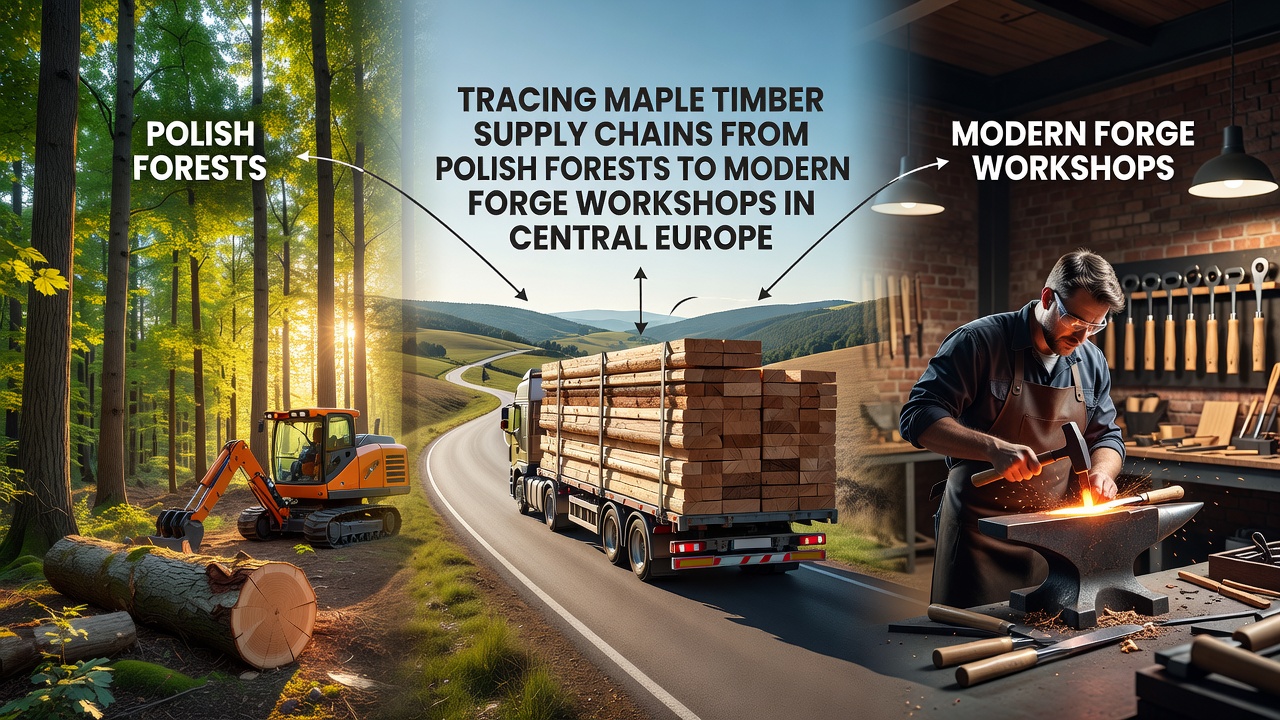
Maple timber moves through established networks that begin in managed Polish woodlands and reach forge operations scattered across Central Europe, where craftspeople convert the wood into tool handles and structural components. Polish forestry records show that Acer species grow in mixed stands throughout the Carpathian foothills and northern lake districts, with annual allowable cuts determined by state inventory data updated every five years. These volumes feed into certified supply lines that track each log from stump to finished product.
Harvesting crews follow selective cutting protocols that preserve canopy cover and soil stability while removing mature maple stems. Regional forest districts in Podkarpackie and Warmińsko-Mazurskie provinces issue transport permits that record species, volume, and destination before trucks depart for sawmills. At those facilities, logs undergo debarking, drying, and milling into blanks sized for tool manufacturers.
Certification and Traceability Systems
Chain-of-custody programs operated by the Forest Stewardship Council and Programme for the Endorsement of Forest Certification require documentation at every transfer point. Sawmill operators upload batch numbers, moisture readings, and kiln schedules into digital platforms that downstream buyers can access. Forge workshops in Germany, Czechia, and Slovakia request these records when ordering handle stock, because their clients demand proof that timber originates from legal, sustainably managed sources.
European Union timber regulations further require importers and domestic processors to maintain due-diligence files that include harvest permits and risk assessments. Data compiled by national competent authorities indicate that Polish maple shipments consistently meet these thresholds, with verification audits occurring at least once per calendar year.
Processing Steps and Regional Distribution
After milling, maple blanks travel by rail or road to seasoning yards where they remain for twelve to eighteen months. Kiln operators adjust schedules according to thickness and end-use specifications, targeting moisture contents between eight and twelve percent for indoor workshop conditions. Once dried, the material moves to distribution centers that serve clusters of small-scale forges in the Ore Mountains and Bohemian-Moravian Highlands.
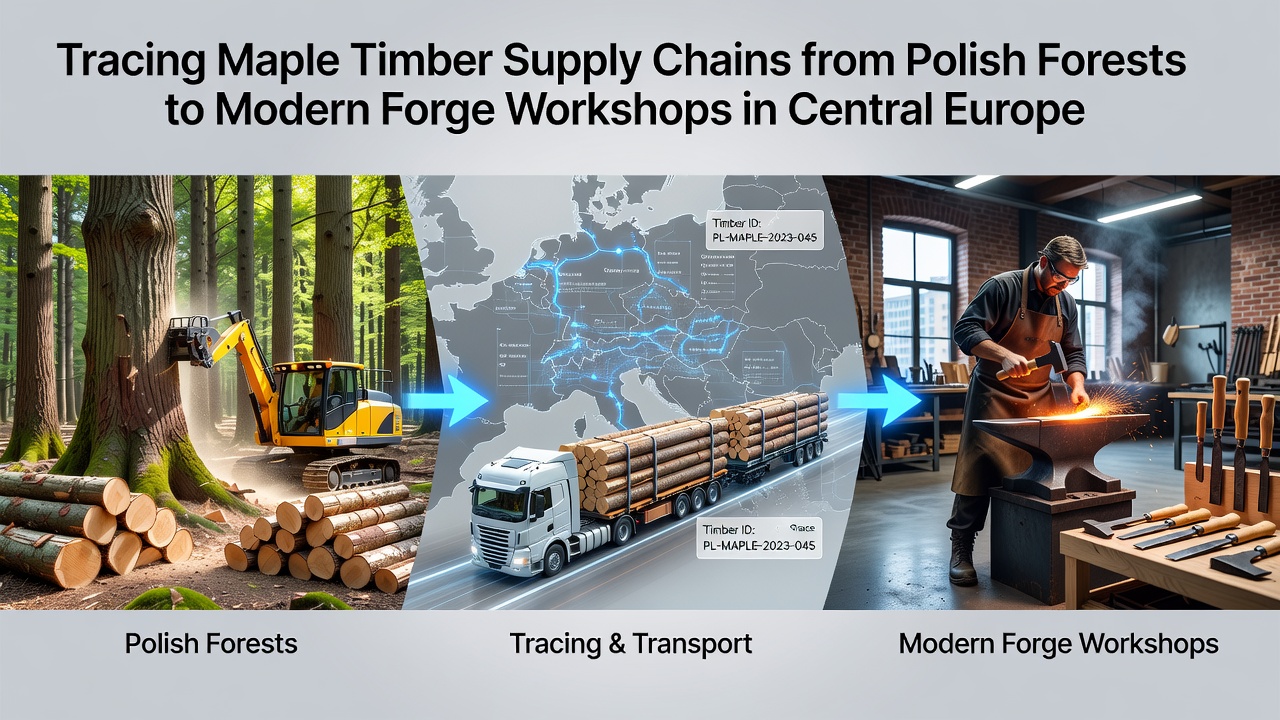
Workshops in these areas cut, shape, and finish the wood into hammer handles, tong grips, and anvil bases. Inventory software links each finished item back to the original forest compartment through unique identifiers printed on the blanks. This linkage allows quality-control teams to trace any performance issue to a specific harvest date or drying batch.
Current Developments and Scheduled Events
Industry observers note that a Central European forestry summit planned for September 2026 will review updates to digital traceability platforms and discuss harmonization of moisture-testing standards across member states. Organizers expect participation from Polish district foresters, German tool guilds, and certification bodies. Preliminary agendas list sessions on satellite monitoring of selective cuts and blockchain pilots for transport documentation.
Research institutions in Vienna and Warsaw have published joint studies that quantify transport-related carbon emissions for maple shipments traveling between 300 and 800 kilometers. Their models compare rail versus truck routes and identify consolidation points that reduce empty return trips. Findings appear in open-access forestry journals and inform procurement guidelines used by several forge cooperatives.
Conclusion
Supply-chain documentation now links specific Polish forest compartments to individual tools produced in Central European workshops through standardized permits, digital records, and third-party audits. Scheduled discussions in September 2026 will address further refinements to these systems. The resulting data sets support both regulatory compliance and operational planning for all participants in the network.