Viktor Krüger · 28 October 2026
Soil Analysis Uncovers Key Factors Affecting Maple Timber Resilience in Craft Applications Across Europe
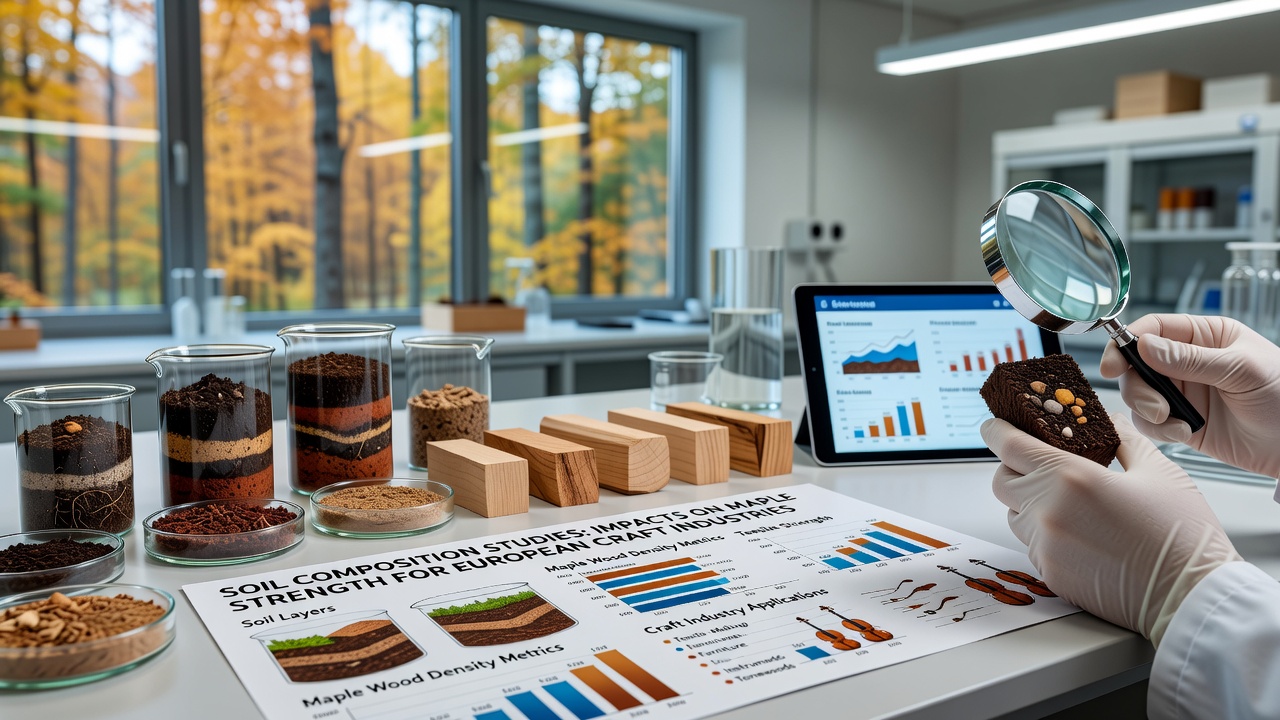
Soil composition studies have identified direct connections between mineral content, pH levels, and nutrient profiles in forest soils and the resulting strength characteristics of maple timber used in European craft sectors, and researchers at multiple institutions continue to map these relationships with increasing precision as demand for durable wood in tool handles and structural components rises steadily.
Data from field samples collected across Poland, Germany, and France indicate that higher concentrations of calcium and magnesium in the topsoil layers correlate with increased wood density in Acer platanoides and Acer pseudoplatanus species, while potassium availability influences fiber alignment and resistance to splitting under repeated impact, and these findings align with parallel investigations conducted in North American maple stands that supply secondary markets.
Regional Soil Variations and Timber Outcomes
Observers note that maple stands situated on limestone-derived soils in the Carpathian foothills produce timber with measurably higher modulus of rupture values compared to those on sandy glacial deposits in northern Germany, and laboratory tests performed at forestry research centers confirm that trees grown in soils with pH between 6.2 and 7.1 develop cell walls with greater lignification, which in turn enhances performance when the wood is shaped into forge tools or furniture joinery.
What's interesting is how micronutrient imbalances shift these outcomes, and studies tracking manganese and zinc levels show that deficiencies below 20 parts per million often lead to reduced tensile strength along the grain, prompting several craft cooperatives in central Europe to adjust sourcing protocols ahead of the 2026 harvest cycle.
Industry Applications and Supply Chain Adjustments
European craft industries that rely on maple for high-wear components have begun incorporating soil data into procurement decisions, and one study released by the European Forest Institute revealed that workshops sourcing from regions with balanced soil profiles reported 18 percent fewer tool failures during heavy forging operations over a three-year monitoring period.
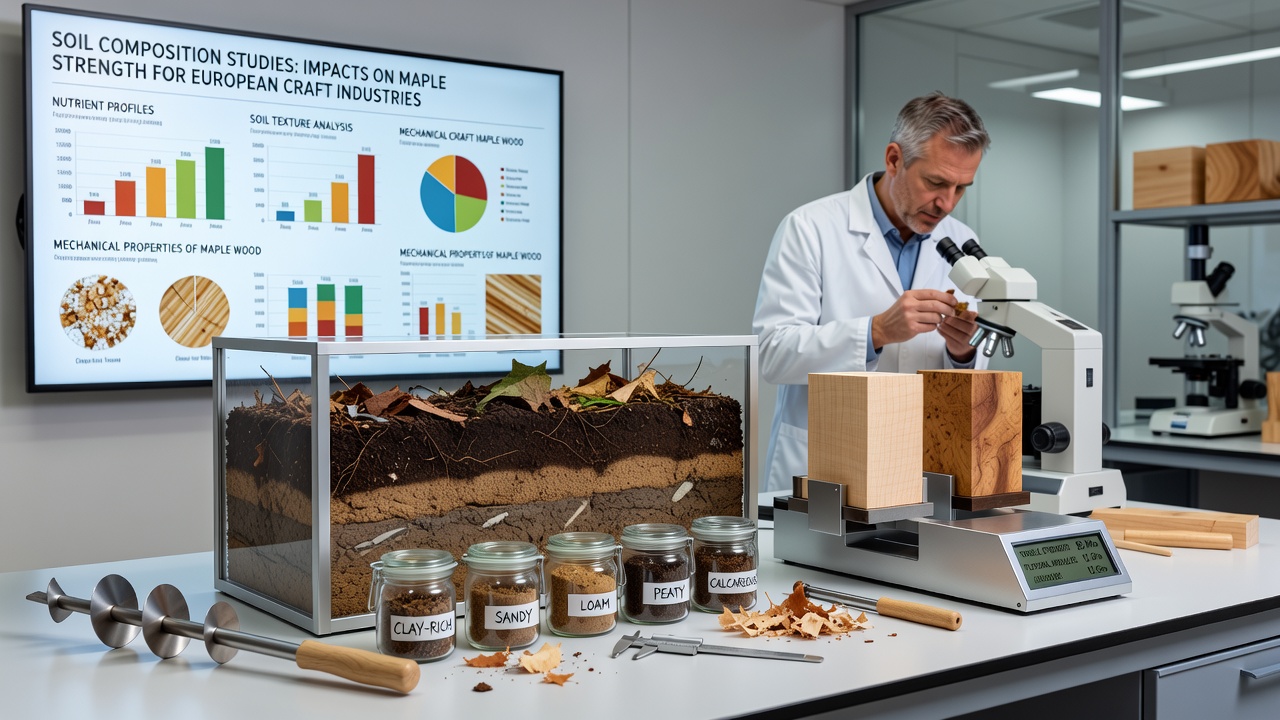
Supply chain managers now consult soil maps compiled by national forestry agencies before placing orders, and this practice has spread from Poland into neighboring countries where maple handles remain essential for traditional blacksmithing and woodworking trades, while the approach also supports certification programs that verify sustainable harvesting tied to soil health metrics.
Turns out the timing matters as well, and researchers tracking seasonal nutrient uptake found that late-summer rainfall patterns interact with base soil chemistry to either amplify or diminish strength gains, with October 2026 expected to mark the publication of an updated EU-wide soil-wood database that craft associations plan to integrate into their material specifications.
Research Methods and Broader Implications
Teams employ core sampling combined with near-infrared spectroscopy to predict wood properties from soil signatures without felling entire stands, and this non-destructive method has accelerated data collection across fragmented woodland ownership structures common in Europe, and initial results from these efforts appear in proceedings from the International Union of Forest Research Organizations.
People involved in the craft sector have started requesting soil reports alongside traditional grading certificates, and the shift reflects growing recognition that material performance originates in the ground long before milling occurs, with similar patterns documented in Canadian and Australian hardwood studies that inform cross-continental trade standards.
Conclusion
Continued monitoring of soil composition provides European craft industries with actionable data on maple strength, and integration of these insights into sourcing and certification processes supports consistent material performance while aligning with broader forest management objectives across the continent.