Otto Koch · 2 September 2026
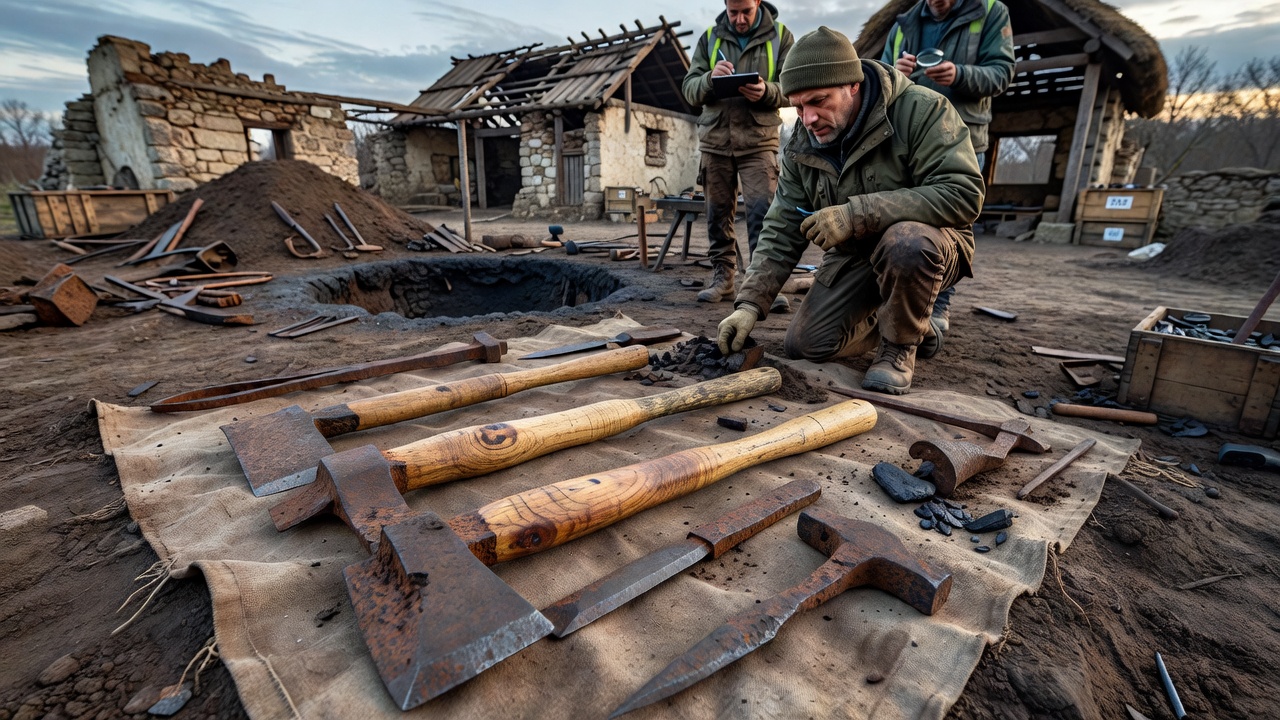
Polish archaeologists have uncovered a collection of tools with maple handles at an 18th-century forge site in southern Poland. The discovery provides new insights into the materials used in historical blacksmithing practices. The tools include various implements essential for metalworking, highlighting the resourcefulness of craftsmen in that period.
Site Excavation and Findings
The excavation took place near the village of Kowalewo, where researchers from the University of Krakow have been working for the past two years. They unearthed several hammers, tongs, and chisels, all featuring handles crafted from maple wood. Carbon dating confirms the tools date back to the mid-1700s, aligning with the peak of local forge operations. Maple wood, known for its durability and fine grain, appears to have been a preferred choice for tool handles in this region. The handles show signs of careful carving and were likely sourced from nearby forests. This finding challenges previous assumptions that oak was the dominant material for such implements during that era. Lead archaeologist Dr. Anna Kowalska noted the exceptional preservation of the wood due to the anaerobic soil conditions at the site. Microscopic analysis revealed tool marks consistent with period craftsmanship techniques. Additional artifacts such as forge bellows fragments and metal scraps were also recovered, painting a vivid picture of daily operations at the forge. Further analysis using advanced imaging techniques confirmed the maple species and provided details on wood treatment methods employed by 18th-century artisans.
Historical Context and Modern Education
The 18th-century forge site was part of a larger network supplying agricultural tools to surrounding communities. The use of maple handles suggests an understanding of local resources and their properties among blacksmiths of the time. Historical records indicate that maple trees were abundant in the area, making them a practical selection for handle production. This discovery holds significant value for educational programs focused on historical trades. Institutions like Maple Forge Education incorporate such archaeological evidence into curricula to teach students about sustainable material use and traditional forging methods. By studying these artifacts, learners gain appreciation for the ingenuity of past artisans. Workshops and lectures based on these findings help bridge the gap between ancient techniques and contemporary practices. Further research will involve comparative studies with similar sites across Europe. The team plans to publish their findings in an upcoming journal, contributing to the broader field of industrial archaeology. Public exhibits are also being prepared to share the artifacts with the community and foster greater interest in heritage preservation efforts worldwide.