Gisela Albrecht · 14 October 2026
Bridging Continents: How Maple Timber Variations Shape Cross-Atlantic Forge Partnerships
Maple timber from North American forests travels across the Atlantic to support forge operations in Europe, and variations in species like sugar maple, black maple, and red maple determine how well tool handles perform under repeated impact and heat exposure. Trade data from 2025 shows that Canadian and US exporters shipped over 45,000 cubic meters of select maple grades to forging centers in Germany, Sweden, and Poland, with contracts specifying density ranges between 620 and 720 kilograms per cubic meter to match hammer and anvil requirements.
Species Differences Drive Material Selection
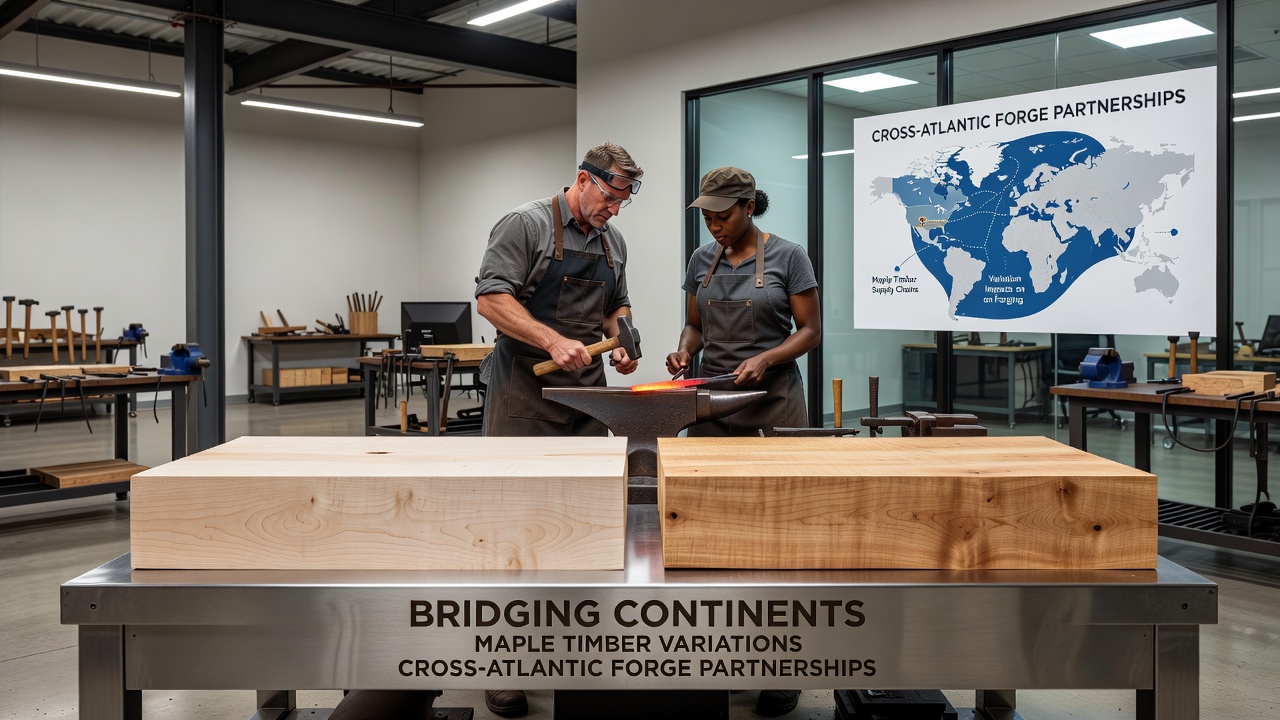
Sugar maple harvested in Quebec and Ontario offers tight grain patterns and high shock resistance, while red maple from the northeastern United States provides slightly lower density yet faster seasoning times that reduce shipping weight by up to 12 percent. European forge operators match these traits to specific tasks: heavy drawing hammers require the denser sugar maple, whereas lighter chasing tools often use red maple to limit operator fatigue. Research from Natural Resources Canada tracks annual growth rings and moisture content at harvest, allowing buyers to predict dimensional stability once handles reach workshop humidity levels of 8 to 12 percent.
Supply Chain Agreements and Quality Standards
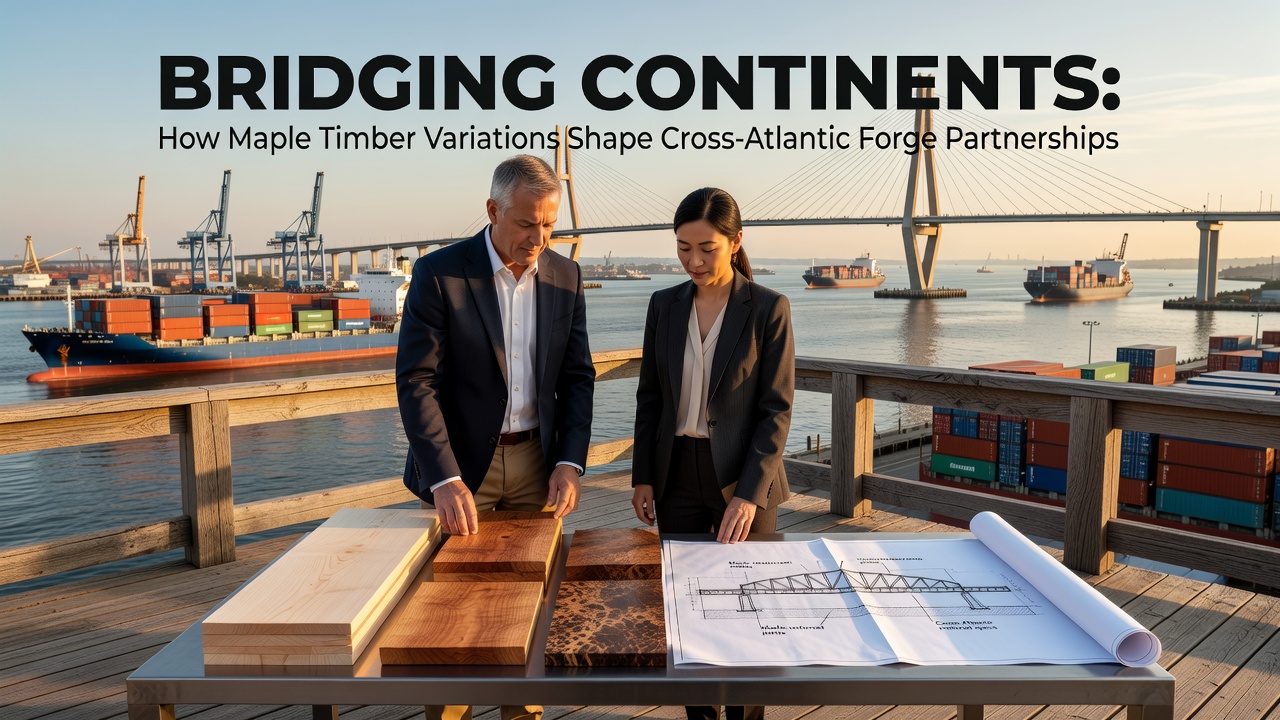
Cross-Atlantic partnerships rely on shared grading protocols established by the American Hardwood Export Council and the European Timber Trade Federation, which define allowable knot size, slope of grain, and sapwood content for forge-grade stock. Shipments leaving Halifax or Baltimore in sealed containers arrive at Rotterdam or Gdansk within 18 to 22 days, where inspectors verify moisture readings and reject lots exceeding 15 percent. These standards emerged after 2023 trials revealed that unchecked red maple shipments developed micro-checks during ocean transit, leading to handle failures within the first month of forge use.
October 2026 marks the scheduled rollout of updated phytosanitary certificates under the EU-Canada Comprehensive Economic and Trade Agreement, requiring digital tracking of each timber batch from forest stand to final machining. Exporters have already begun embedding RFID tags that record drying schedules and heat-treatment timestamps, reducing customs delays reported in earlier years.
Performance Data from Workshop Trials
Independent tests conducted at the University of New Brunswick Wood Science Centre compared handle longevity across maple variants under 500-kilogram drop-hammer cycles. Sugar maple samples averaged 14,200 cycles before visible cracking, whereas black maple reached 11,800 cycles and red maple 9,400 cycles. European partners incorporated these figures into supplier contracts, adjusting payment schedules based on verified performance metrics rather than species name alone. One forge in southern Sweden reported a 23 percent drop in handle replacement costs after switching to pre-graded sugar maple lots sourced through a Quebec cooperative.
Market Volumes and Regional Shifts
US Forest Service harvest reports indicate that maple sawlog production in the Lake States rose 8 percent between 2022 and 2025, driven partly by demand from overseas forges seeking alternatives to European beech and ash. Meanwhile, Canadian shipments to Scandinavia increased 15 percent year-over-year, with black maple gaining favor for its balance of weight and machinability in power-hammer applications. Trade analysts note that currency fluctuations and container rates continue to influence order sizes, yet long-term agreements signed in 2024 have stabilized volumes through 2027.
Conclusion
Maple timber variations continue to influence the specifications, logistics, and performance outcomes of cross-Atlantic forge partnerships. Species-specific data, standardized grading, and upcoming regulatory changes in October 2026 together shape how North American forests supply European workshops with handles suited to distinct forging demands.